
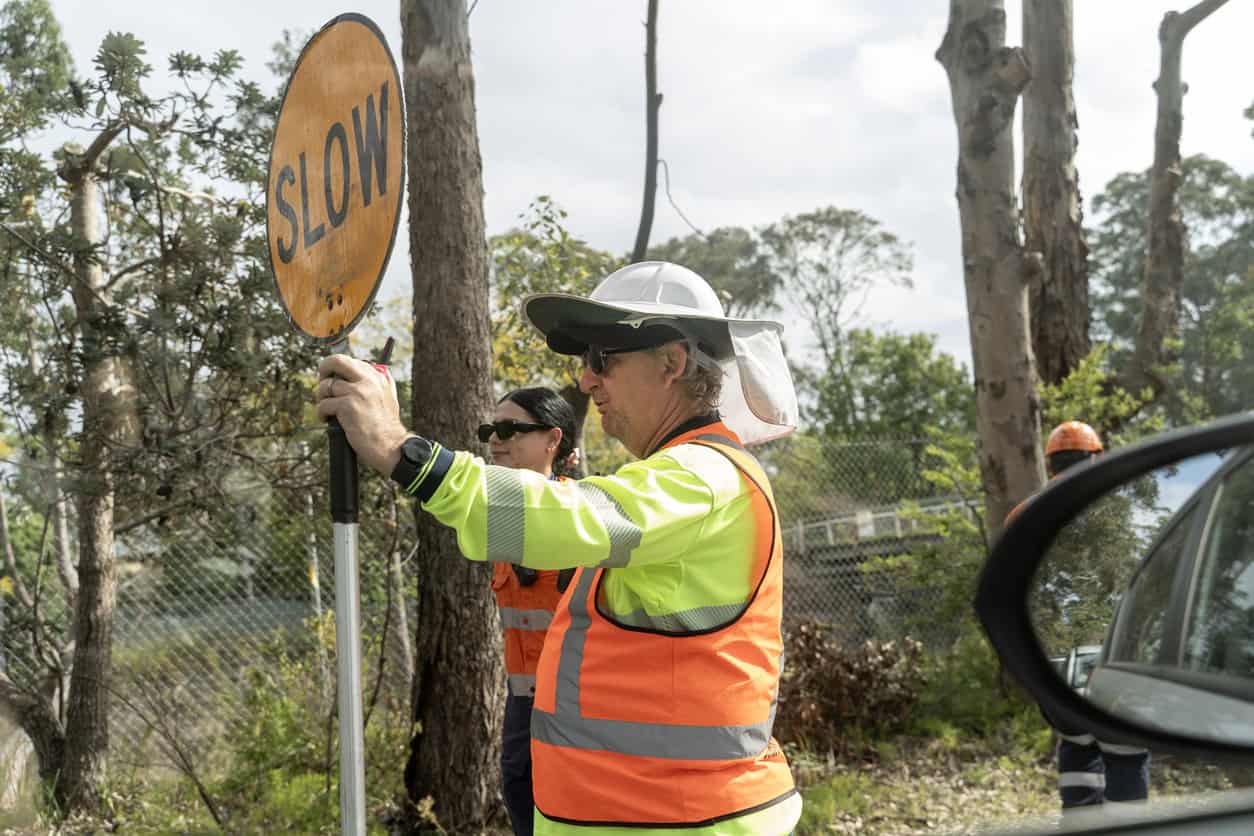
When you travel on the roads, whether it's your daily commute, a weekend road trip, or just a quick errand, safety is something you might take for granted. But keeping roads safe is no small feat. In New South Wales (NSW), traffic control services play a vital role in ensuring that highways, motorways, and local roads are secure and efficient for everyone.
In this article, we'll explore how traffic control council roads services work to keep local communities safe, especially during emergency works and maintenance tasks.
Traffic control services NSW are responsible for managing the flow of vehicles and pedestrians. They ensure that traffic moves smoothly, especially in areas affected by construction, maintenance, or emergencies. These services are crucial on highways, motorways, and local council roads.
Emergencies on the road can happen anytime, from severe weather conditions to accidents or sudden road damage. Traffic control services are essential in these situations to manage the chaos and ensure safety.
When an emergency occurs, speed is crucial. Traffic control teams rapidly deploy to the site, assess the situation, and implement traffic management measures. This might include closing lanes, redirecting traffic, and setting up temporary signals.
During emergencies, the presence of traffic control personnel helps maintain order on the roads. They provide clear instructions to drivers and pedestrians, reducing the risk of secondary accidents and ensuring that emergency responders can access the site without delay.
Effective communication is key during emergencies. Traffic control services keep the public informed about road conditions and any necessary detours. This helps to minimise confusion and keeps traffic flowing as smoothly as possible.
Highways and motorways are critical for connecting cities and regions. Therefore, maintaining them is a top priority. Traffic control services ensure that any work on these roads does not disrupt the flow of vehicles more than necessary.
Highways and motorways see a high volume of traffic daily. Traffic control services use advanced technologies and strategic planning to manage this effectively. Tools like electronic message boards and real-time traffic monitoring systems help keep drivers informed and safe.
Safety is paramount on highways and motorways. Traffic control teams set up barriers, cones, and warning signs to protect both the workers and road users. They also ensure that speed limits are adhered to, especially in work zones.
Whenever possible, traffic control services schedule roadworks during off-peak hours to minimise disruptions. This strategic timing helps reduce the impact on daily commutes and long-distance travel.
Local council roads are the backbone of our communities, providing access to homes, schools, and businesses. Traffic control services ensure these roads remain safe and functional.
Local events like festivals, parades, and sports events often require temporary road closures or diversions. Traffic control services manage these changes efficiently, ensuring both the safety of attendees and the smooth flow of traffic in surrounding areas.
Regular maintenance and upgrades are necessary to keep council roads in good condition. Traffic control teams coordinate these activities, ensuring that work is done safely and efficiently, with minimal inconvenience to local residents.
Traffic control services play a key role in enhancing pedestrian safety on council roads. They implement measures such as pedestrian crossings and traffic calming devices to protect those on foot and encourage safe driving behavior.
As our communities grow and technology advances, traffic control services continue to evolve. Innovations such as automated traffic management systems, drones for monitoring road conditions, and real-time data analytics are becoming increasingly common.
The integration of technology in traffic control services allows for more efficient and responsive management of roadways. For example, smart traffic lights can adjust to current traffic conditions, reducing congestion and improving safety.
There's also a growing emphasis on sustainability. Traffic control services are exploring eco-friendly practices, such as using solar-powered signs and vehicles, to reduce their environmental impact.
Continuous training and development are essential for traffic control personnel to stay updated with the latest techniques and technologies. This ensures they can deliver the highest level of service and keep our roads safe.
Traffic control services are an integral part of maintaining safe and efficient road networks in NSW. From managing emergency works to ensuring the smooth flow of traffic on highways, motorways, and local council roads, these services are vital for community safety.
By embracing new technologies and sustainable practices, traffic control services are well-equipped to meet the challenges of the future. As a result, residents can travel with confidence, knowing that their safety is in capable hands.